Take control of your operations and lead with certainty.
OPERATIONAL ERP for SMBs

Take control of youroperations and lead with certainty.

One shared record for purchasing, sales, inventory, and production. Every move builds the history your team needs to make decisions today.
Book a demo
AI Assistant

How can I help you today?

Stock analysis Reorder suggestions Movement trends
Ask AI anything…

Adapts to what you have.

  • Multi-warehouse

  • Multi-office

  • SAT · CFDI 4.0

  • Excel & Microsoft 365

  • Scanner & barcodes

  • API & webhooks

THE PROBLEM

Your operation no longer fits in Excel.

You don't need chaos for the problem to be costly. Inventory that's hard to trust, decisions that wait days, and knowledge that lives in people are enough.

  • Information that lives in different places

    A quote in email, inventory in one file, payments in another. When someone asks how much you have or how much you're owed, the answer takes time — or it isn't reliable.

  • Inventory you can't reconstruct

    The system says one number, the warehouse holds another. You don't know where a lot came from, where it went, or what happened along the way. Audits and customer disputes become detective work.

  • Costs and capital that don't add up

    The real cost of a sale is calculated after the fact — if at all. Capital is tied up in inventory without a reliable value. Month-end closes take days, and decisions are made on partial numbers.

THE ALTERNATIVES

Excel a chaos. Odoo too generic. SAP unworkable.

A factual comparison of the systems mid-market companies typically evaluate. Each tool covers an extreme; the space in between stays empty.

FeatureExcel + WhatsAppGeneric ERP (Odoo, ERPNext)NetzoEnterprise ERP (SAP, Oracle)
Lot / serial traceability to bin
Real FIFO costing
Role-based scan portals
CFDI 4.0 & Carta Porte MX
Multi-site with RBAC
Configuration without consultants
Spanish-language support (Mexico)
Activity log (audit trail)
Data export at no extra cost
Time to first useful operationImmediate — no reliable history.3–9 months.1 month12–24 months.
Time to full implementationImmediate — but no structure.3–9 months. Depends on customization.1 month. Full operation.12–24 months typical. Partner and dedicated IT.

THE SOLUTION

Netzo, operational certainty in the palm of your hand.

One place to record your entire operation, look at data you can trust, and make the hard decisions from there.

Avoid stockoutsProtect your marginsEliminate reworkFulfill every orderTrace any incidentStop chasing dataRole-based permissionsScale without chaos
Articles 111
RW
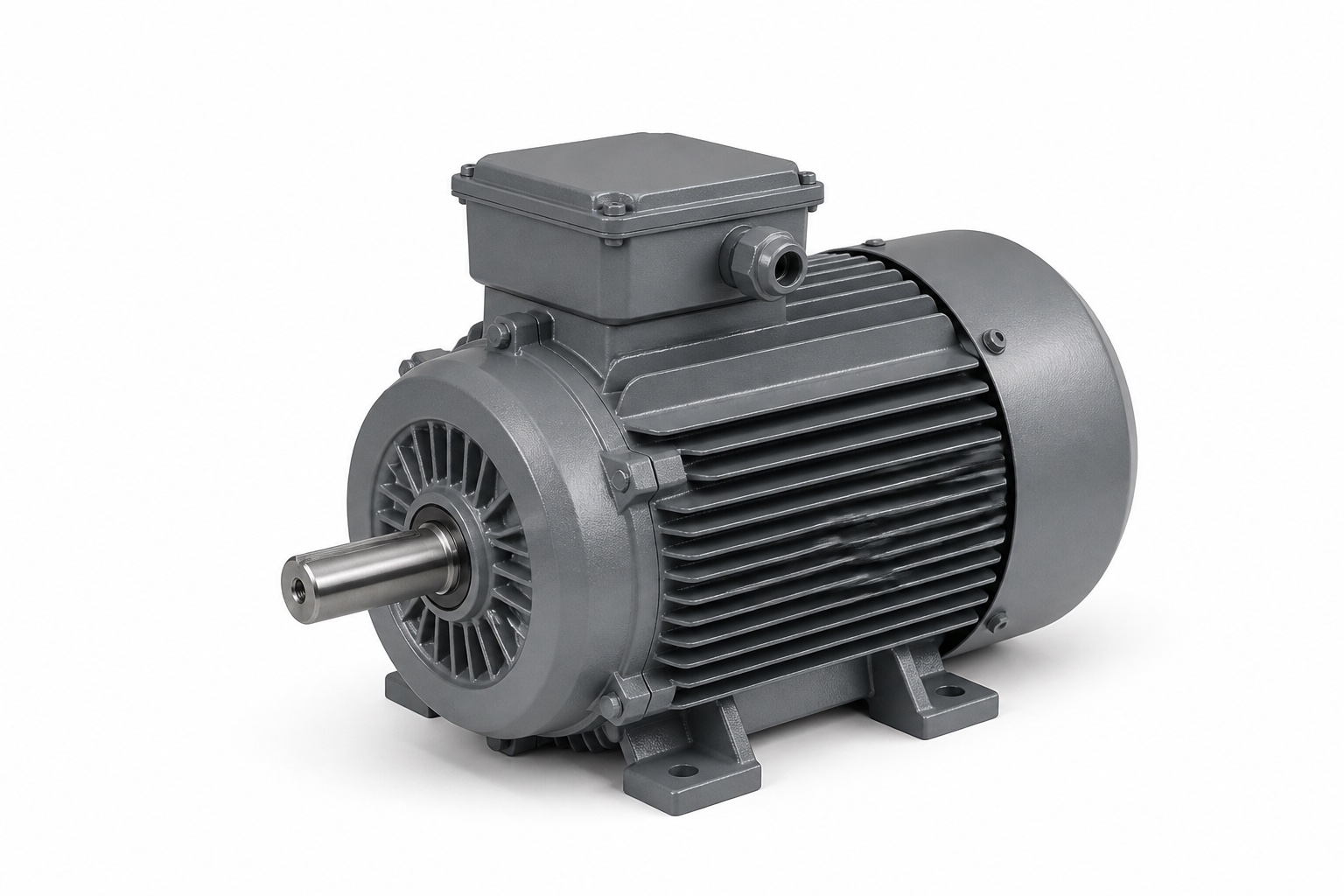
Motor eléctrico 5 HP

Motores

Motor eléctrico 5 HP

$12,50014 uds.
Variador 7.5 kW

Control

Variador 7.5 kW

$18,2009 uds.
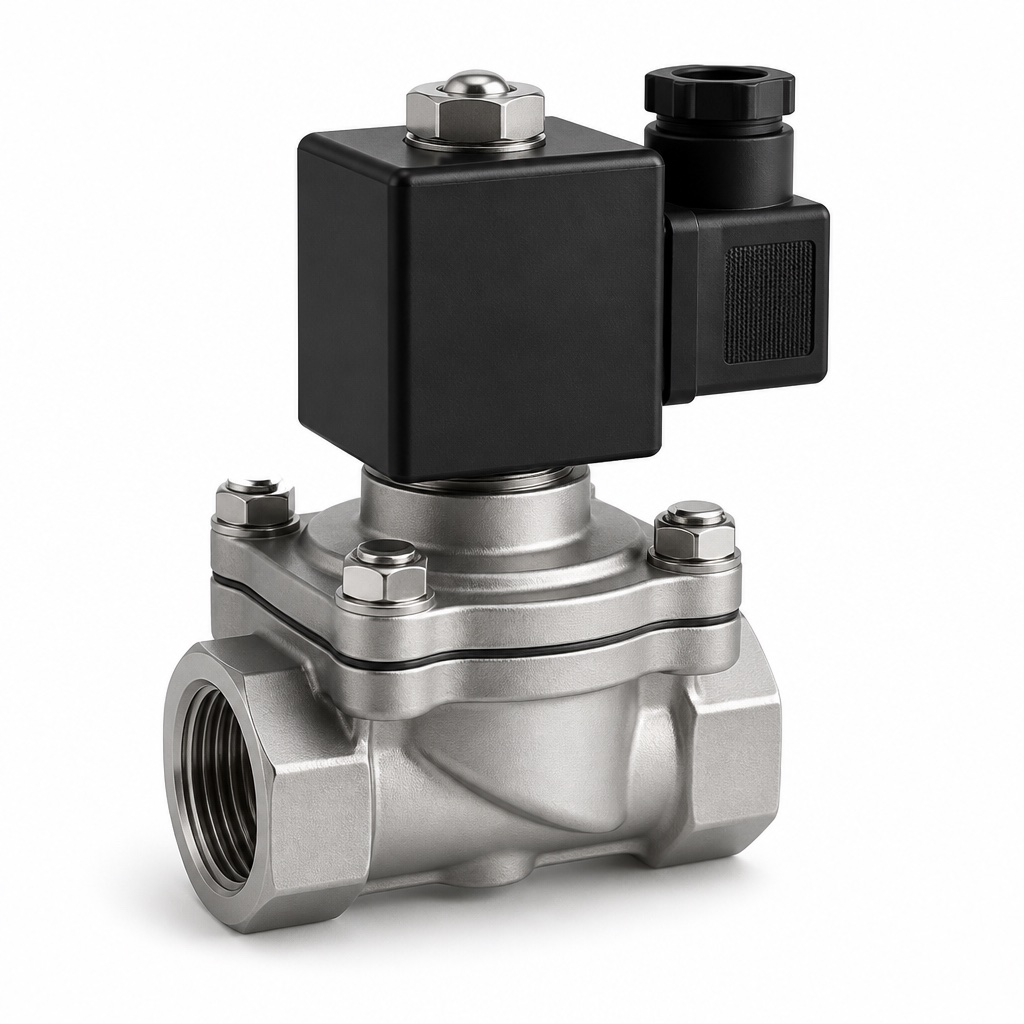
Válvula solenoide 1/2"

Válvulas

Válvula solenoide 1/2"

$89036 uds.
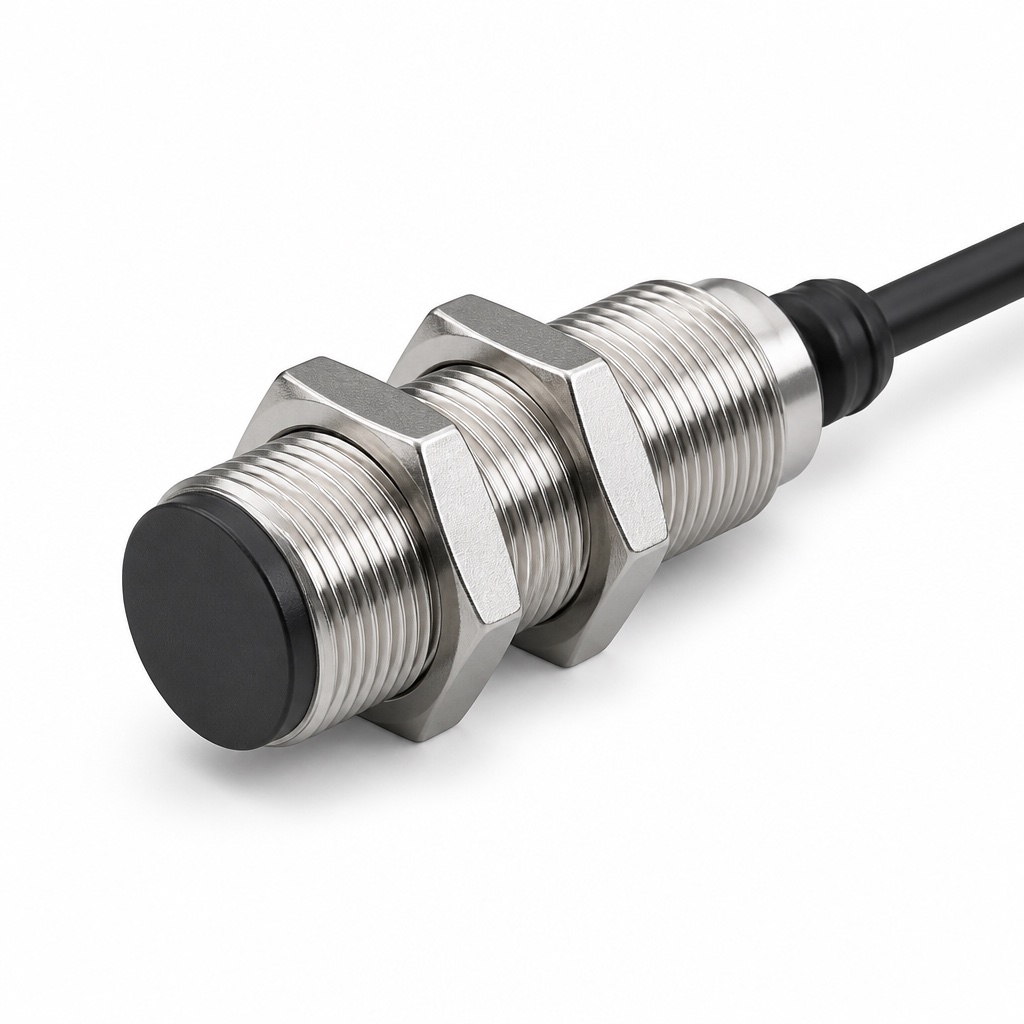
Sensor proximidad M18

Sensores

Sensor proximidad M18

$1,45022 uds.
Rodamiento 6205

Rodamientos

Rodamiento 6205

$32048 uds.
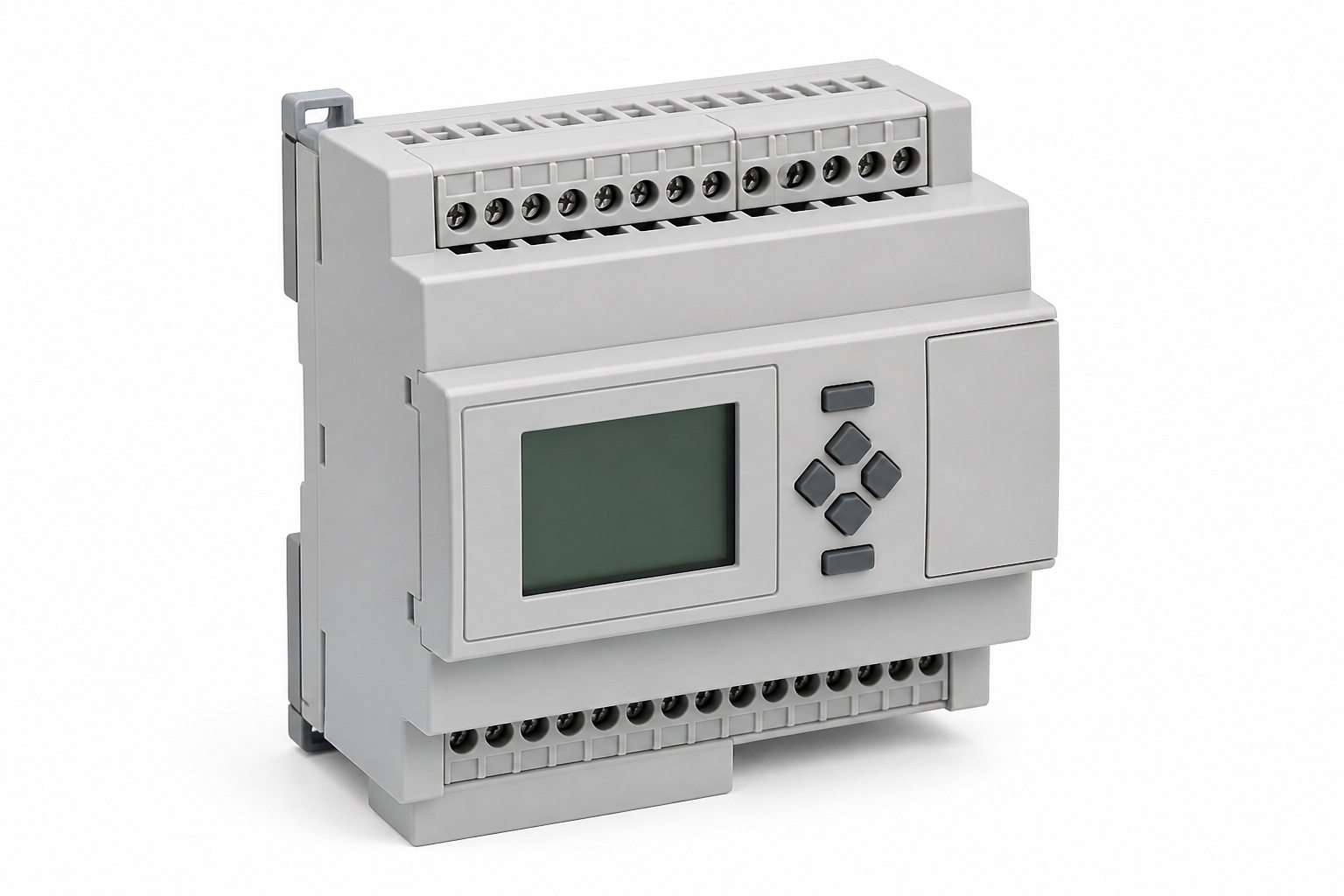
PLC S7-1200

Automatización

PLC S7-1200

$24,8006 uds.
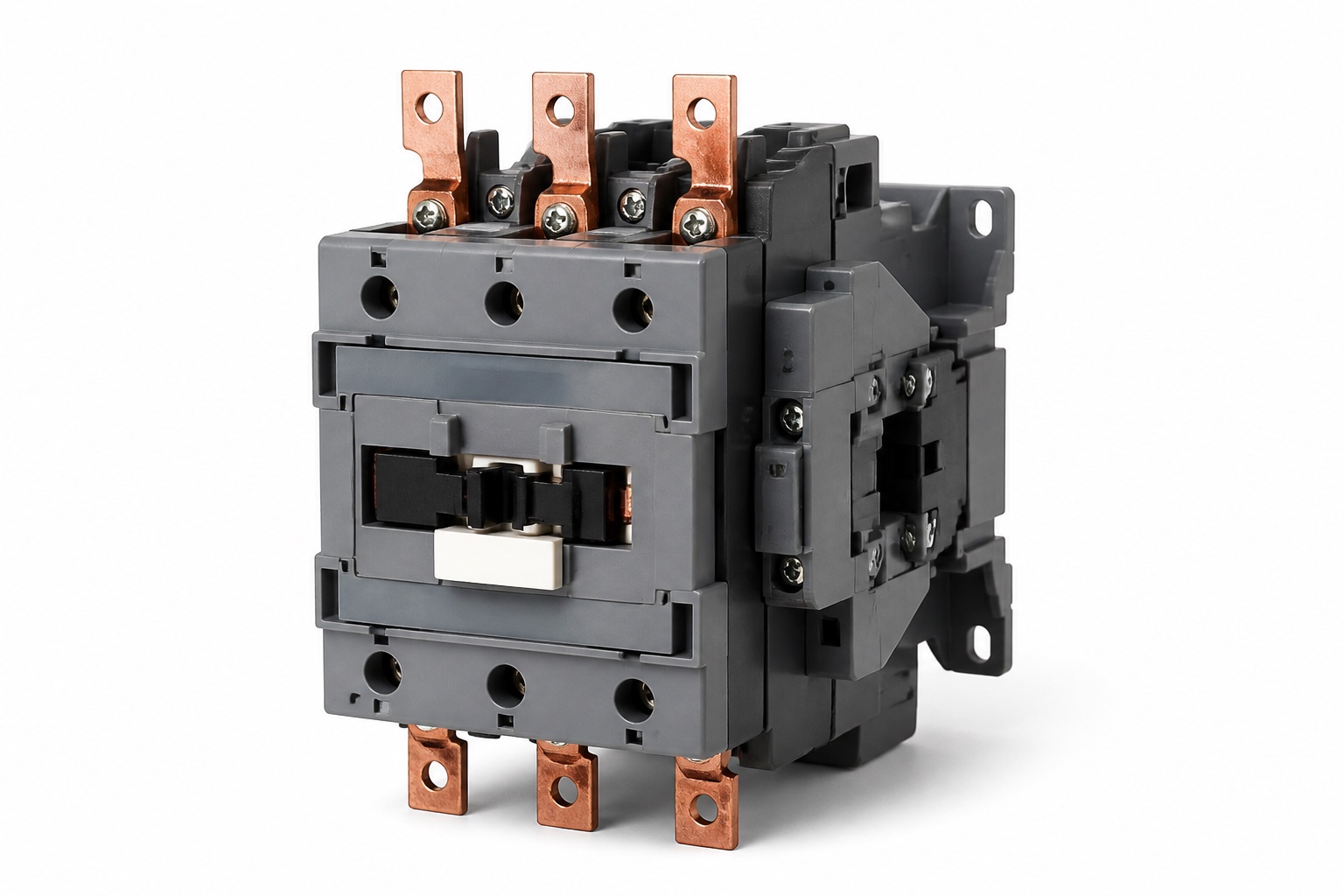
Contactor 40 A

Control

Contactor 40 A

$2,18017 uds.
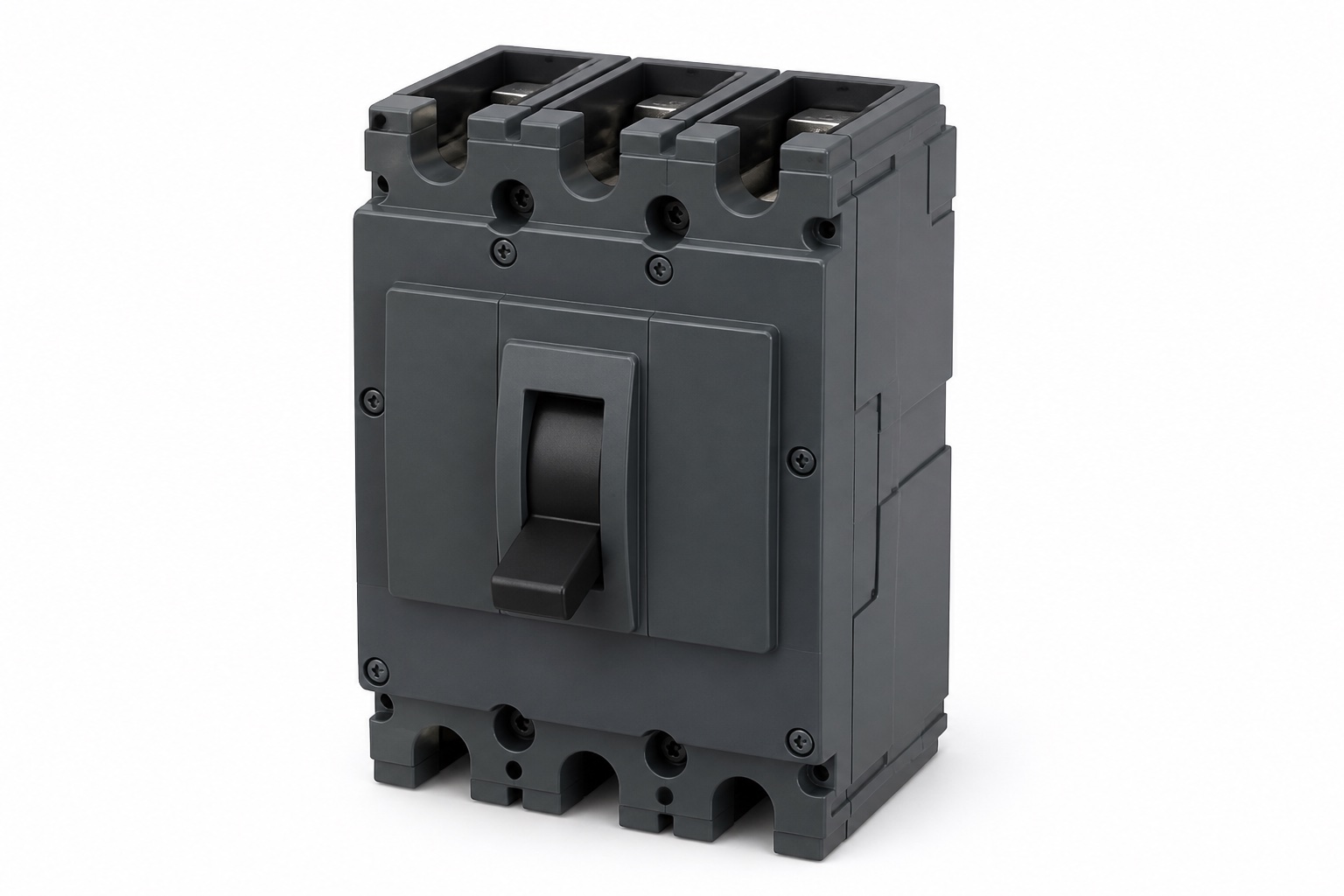
Interruptor termomagnético

Protección

Interruptor termomagnético
$1,96011 uds.
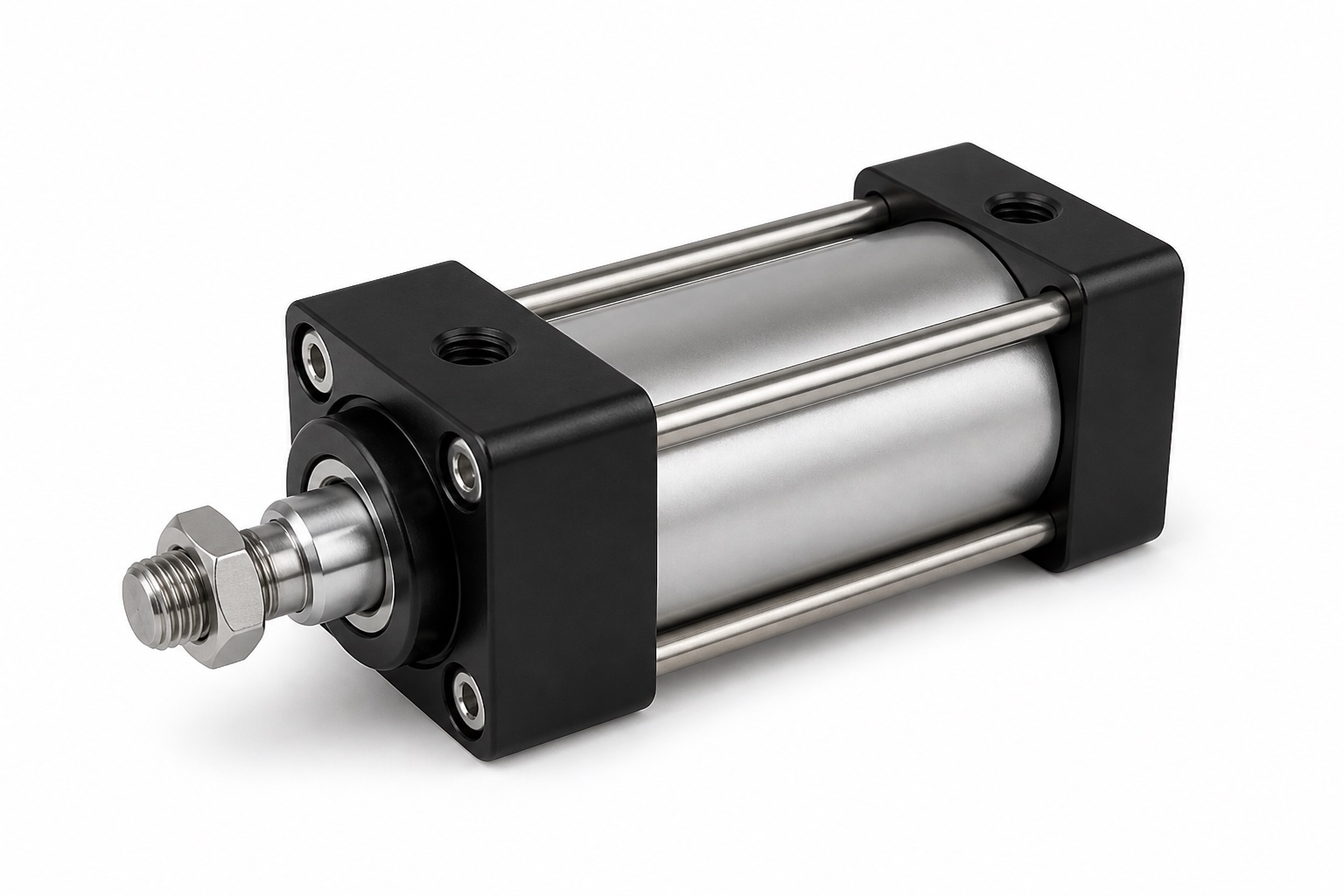
Cilindro hidráulico 50 mm

Hidráulica

Cilindro hidráulico 50 mm

$4,7508 uds.
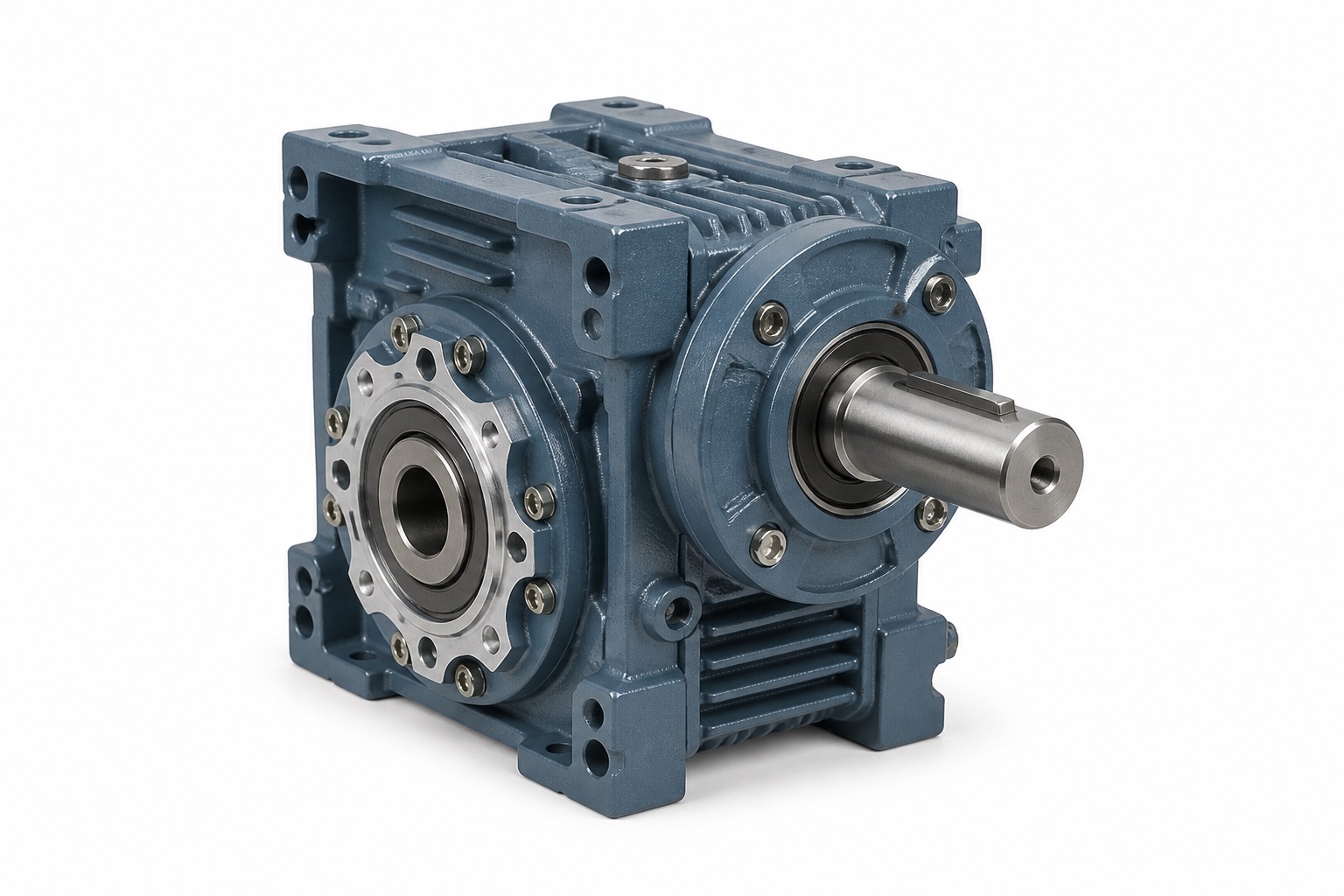
Reductor sinfín 1:30

Transmisión

Reductor sinfín 1:30

$6,4205 uds.
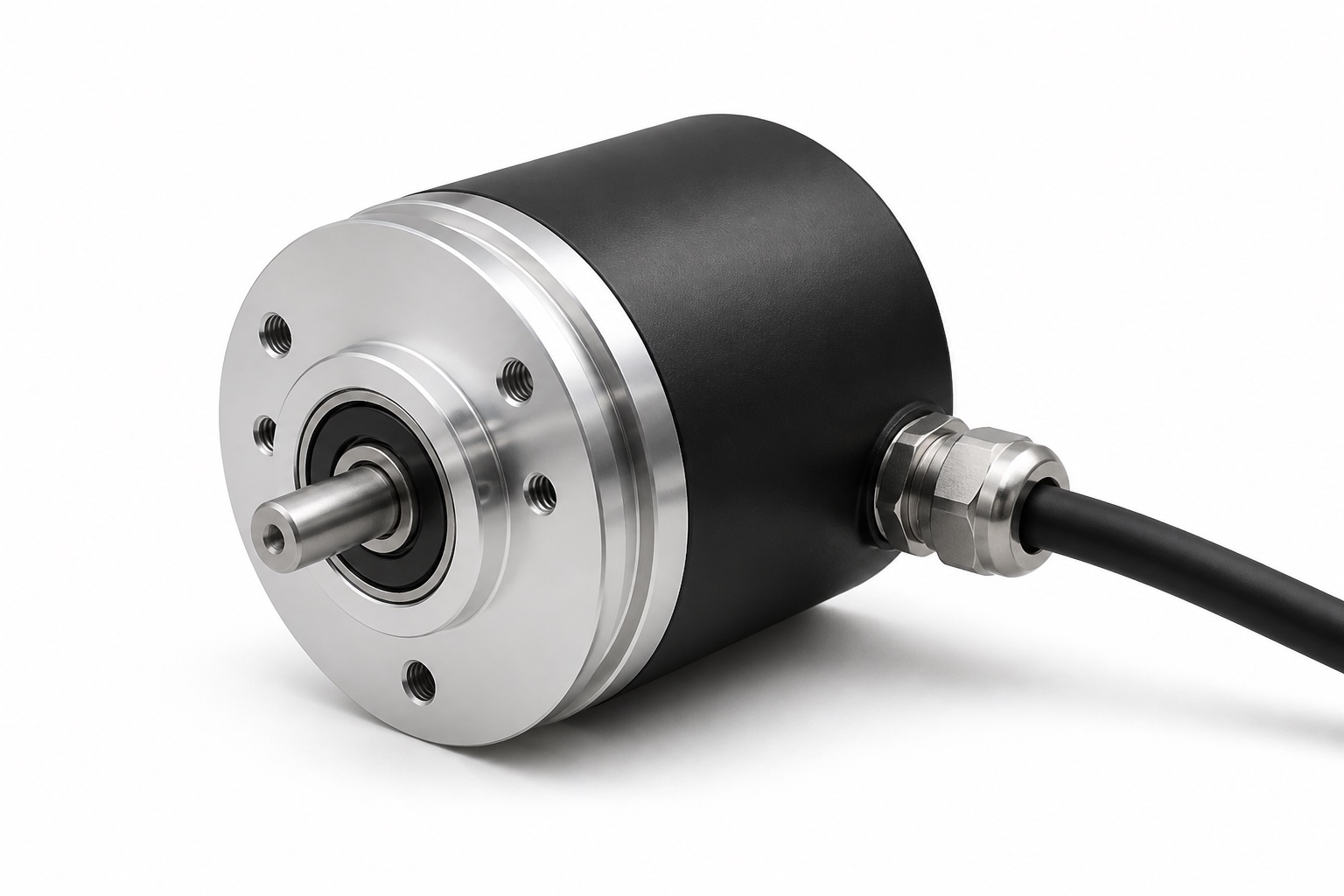
Encoder incremental 1024 PPR

Sensores

Encoder incremental 1024 PPR
$3,15013 uds.
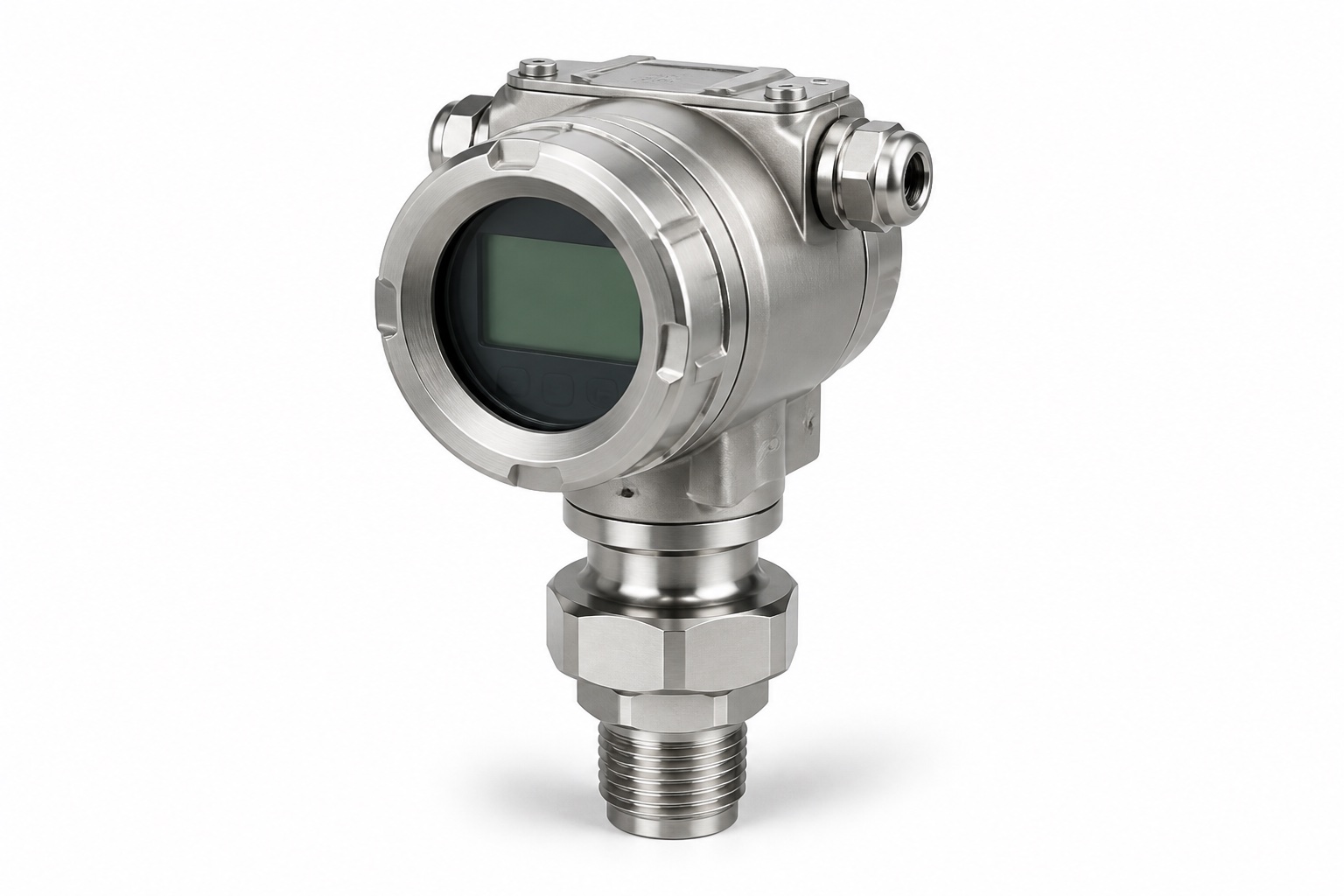
Transmisor de presión 4-20 mA

Instrumentación

Transmisor de presión 4-20 mA

$2,89019 uds.

WHAT SETS US APART

What a generic ERP does not ship with.

Track every item.
Document every movement.

Where a lot came from and where it went, in minutes. Holds that block picking, consumption, and shipment when quality requires it. Warehouse structures down to bin so you know exactly where every piece is.

Lot and serial number tracking Holds with operational blocking Warehouse hierarchy to bin
Track to bin
WarehouseMTY
ZoneA
Aisle03
Bay02
LevelD
Position02
Bin labelLot L-4472
MTYA0302D02
400On hand
90Reserved
30On hold
280Available

Trace any record,
upstream and downstream.

Netzo links every document to the ones that created it and the ones it generated — a sales order to its production order, purchases, work orders, receipts, delivery, and invoice. Open any record and follow the complete chain, instead of reconstructing it across spreadsheets and chats.

Upstream and downstream in one view Linked across every module Complete, auditable history
Production orderMO-2914·Document flow
0 0
confirmedSO-4823in progressMO-2914receivedPO-7781postedRN-5210completedWO-3402shippedDN-9120stampedINV-8837

Upstream and downstream related records

Averages lie.
Layers don't.

FIFO cost layers drain the oldest cost first. A raw material price increase appears in the cost of the shipment where it actually hits — not diluted into an average that hides the loss until month-end.

FIFO layers per receipt Cost per shipment, not per average Scrap and adjustments visible in the layer
FIFO cost layers
COGS
MX$0
Layer 1 · Dec 2025400 pz @ $340/pz
Layer 2 · Feb 2026300 pz @ $365/pz
Layer 3 · May 2026200 pz @ $387/pz
Fulfillment0/560 pz
Average cost$359/pz
Average weighted cost (FIFO)$0/pz

Operate with portals your team actually uses.

Role-specific portals for the tasks your floor actually does — receiving, warehouse, production. One scan records the movement, opens the cost layer, and updates available inventory. No parallel data entry, no paper sheets someone has to enter later.

Receiving with lot or serial scan Warehouse and production portals One movement, three effects

Always valid.

SAT keys, recipient RFC, transport key, and CFDI use are validated on the commercial document — not in a separate file the day of shipment. CFDI 4.0 and Carta Porte 3.1 correct from the first transaction.

CFDI 4.0 with PAC stamping Carta Porte 3.1 SAT keys validated on the document
Shipment readiness4/6 · blocked
CFDI 4.0100%
CFDI useG03
RFC receptorValidated
Carta Porte 3.150%
Gross weightRegistered
Transport keyempty → SAT error
Customs MX→USA50%
IncotermDAP · Registered
Customs valueempty → SAT error
PAC stamping · your fiscal partner

AI is only as useful as the context it can understand.

Before asking AI to understand your business, you need your business to understand its own data. Netzo builds that context as your team works: lots, cost layers, movements, documents, and responsible parties — all related, all traceable. The AI queries the ledger; the ledger reflects real operations.

Natural language queries Real operational context, not isolated data Mutations require human approval
AI Assistant

How can I help you today?

Stock analysis Reorder suggestions Movement trends
Ask AI anything…

THE REAL COST

Staying as you are is not free.

Avoiding an operational ERP carries a cost that doesn't appear on any invoice. It shows up in hours lost each week, in capital that doesn't work, and in risk that builds in silence.

  • Hours that don't come back

    Entering data in two systems, reconciling files, reconstructing information before any decision can be made. Hours each week, repeated by every department, without the data getting any better.

  • Money that doesn't work

    Inventory without a reliable valuation. Receivables without daily follow-up. Purchases repeated because stock can't be trusted. The capital is there — but it's locked.

  • Risk building in silence

    Without traceability, a customer claim or an ISO audit turns a routine operation into a serious problem. Critical knowledge lives in people, not in records.

Which of these costs is your company already paying?

We listen

30 minutes. No strings attached.

CAPABILITIES

We handle the hard parts.

  • Lot and serial traceability

    Follow material by lot or serial from vendor receipt through shipment — answers in minutes, not days of paper.

    In practice

    A customer asks for a lot history; the plant shows origin, consumption, and destinations without a war room.

  • Barcode and QR labels

    Labels tied to stock and locations so a scan matches the ledger — not a separate notebook.

    In practice

    On receive, the lot label prints and the same code is used for putaway and dispatch.

  • Holds that block the floor

    Quarantine and release flows that stop pick, consume, or ship of restricted stock — not a paper note.

    In practice

    A quality-held lot cannot be dispatched until it is released.

  • Quality dispositions

    Quality decisions tied to holds so the floor cannot ignore compromised stock under shift pressure.

    In practice

    QC marks a lot nonconforming; the system blocks picking until final disposition.

  • Warehouse scan portals

    Touch stations for receive, dispatch, hold, release, convert, and adjust — built for operators, not the office.

    In practice

    At the dock, the operator scans, confirms receipt, and inventory updates immediately.

  • Station- and role-scoped views

    Each station shows only the next valid action. Operators are not handed an office ERP on a tablet.

    In practice

    Receiving shows quantity and lot; finance sees price and cost center in a different view.

  • Operational visibility

    Answers what is blocked, what is short, and what is shipping — without exporting to Excel to run the shift.

    In practice

    The plant manager sees held lots and orders ready to ship on one board.

  • Files on the operational record

    Attach drawings, photos, or certificates to the document or lot — no parallel drive that drifts.

    In practice

    A production order carries the component drawing.

  • FIFO cost layers

    Each receipt opens cost layers; outbound moves drain the oldest first. Real margin per shipment — not a month-end surprise.

    In practice

    When steel prices rose, the shipment draws the older layer and order margin is not diluted by an average.

  • Multi-unit conversion

    Buy, store, and consume in different units (tons, sheets, mm) without spreadsheet conversion glue.

    In practice

    Buy in tons, store as sheets, consume in millimeters — inventory still reconciles.

  • Multi-currency

    Buy and sell in multiple currencies with the rate on the document — common for Mexico–US supply chains.

    In practice

    A USD purchase posts in MXN at the document exchange rate.

  • Purchase → receipt → cost → shipment chain

    Purchases, receipts, cost layers, and shipments share one chain — one truth for warehouse, ops, and finance.

    In practice

    From purchase order to customer shipment you see the true FIFO cost of the material used.

  • CFDI validation and stamping

    Issue, receive, and validate CFDI under current rules, stamped by a certified PAC.

    In practice

    When an invoice is issued, it is stamped and the XML/PDF is stored on the customer file.

  • Carta Porte and transport data

    Transport and shipment data in the operational flow — not a parallel spreadsheet at dispatch.

    In practice

    When preparing a shipment, transport data is ready with the outbound document.

  • Mexico and US compliance readiness

    Fiscal, transport, and customs profiles for Mexico and cross-border work — without bolting on foreign localizations.

    In practice

    An export sale carries classification and compliance data for the right side of the border.

  • Spanish and English

    Bilingual UI for Mexican plants and US stakeholders — same system, language per user.

    In practice

    The plant runs in Spanish; an OEM buyer reviews in English.

  • Multi-warehouse and multi-site

    Run multiple warehouses or DCs with stock, moves, and permissions separated by site.

    In practice

    A Guadalajara DC user only sees local moves and on-hand stock.

  • Multi-plant

    Multiple production plants in one organization, each with its own operational and inventory scope.

    In practice

    Three plants manage lots and dispatches without mixing data across sites.

  • Multi-legal-entity

    Multiple legal entities in one environment, with separate fiscal and operational records when needed.

    In practice

    A parent company runs subsidiaries, each with its own tax ID and fiscal documents.

  • Warehouse locations

    Zones, aisles, and levels so material is findable and floor scanning stays oriented.

    In practice

    A product is located as Plant 2 / Zone A / Rack 3 / Level 2.

  • Locked approved documents

    Once approved or closed, a document cannot be silently rewritten. Protects margin, inventory, and audits.

    In practice

    An approved purchase order cannot change quantities or prices without an explicit review flow.

  • Site-scoped roles and permissions

    Define who sees and edits what by role, module, and warehouse or plant — without full company-wide access.

    In practice

    A warehouse role edits local receipts; it cannot see prices or another plant.

  • Operations audit trail

    Records who changed what, when, and on which document — ready for customers, OEMs, and internal reviews.

    In practice

    You can see who changed a purchase order and when.

  • Approval workflows

    Chains reviews by hierarchy, amount, or document type before a move hits inventory or money.

    In practice

    A purchase order above a set amount requires leadership approval.

MODULES

Start where it hurts most. Netzo grows with you.

Traceability, capture, and documents build the context that makes intelligence useful.

Inventory

Inventory

Stock that tells the truth, every lot, every layer.

A warehouse-native ledger: OnHand = Available + Reserved + OnHold. Strict FIFO cost layers, first-class lots and serials, and holds operations cannot ignore.

What you get

  • 01
  • 02
  • 03
  • 04
  • 05
  • 06

Why plants start here

  • 01

    Margin without blended fiction

    Cost layers open on receipt and drain oldest-first so COGS matches what you actually used.

  • 02

    Lots that prove every move

    Tracking modes with integrity checks, traceability in minutes when QC fails or a customer asks.

  • 03

    Holds that block the pick

    Quarantine lands on the lot. Compromised stock cannot be picked, consumed, or shipped.

  • 04

    One ledger for ops and finance

    Valuation, ABC, aging, and cost drift come from the same layers Finance closes against.

INDUSTRIES

Built for industries with complex operations

  • Industrial distribution

    Multi-warehouse, lot traceability, and accounts receivable connected to what shipped.

  • MRO & fasteners

    Catalogs with thousands of SKUs, unit conversion, and min-stock control.

  • Metalworking

    Production orders with cut traceability, ton → sheet → piece conversion, visible scrap.

  • Manufacturing & assembly

    BOM, material consumption, and finished goods traced back to the source lot.

  • Parts supply

    Customer catalog with price lists, stock by part number, and shipments with CFDI.

  • Other industries

    If your operation has warehouses, purchasing, sales, or transformation, let's talk.

WHO WE ARE

A team of engineers who understand operations.

Netzo was founded in Monterrey by three engineers with backgrounds in mechanical, mechatronics, and electrical engineering, educated in Germany and later software developers. We didn't start by asking what modules an ERP should have. We started by asking how this operation actually works and how it should be structured. That perspective defines the product and our process: understand first, model the operational reality, configure with your team, and adopt on the floor. Software alone does not run a plant — understanding, configuration, and adoption are part of the work, not extra work.

  • Arturo Romero

    Arturo Romero

    Co-Founder & CEO

    M.Sc. Mechanical Engineering

    Technical University Dresden (TUD)

  • Miguel Romero

    Miguel Romero

    Co-Founder & CTO

    M.Sc. Robotics and AI

    Technical University Munich (TUM)

  • Gabriel Romero

    Gabriel Romero

    Co-Founder & CPO

    M.Sc. Electrical Engineering and Computer Science

    Technical University Munich (TUM)

GET STARTED

Start with what matters most. Expand when operations call for it.

Tell us how your company works. In 30 minutes we listen to your operation and show you how Netzo can support it.